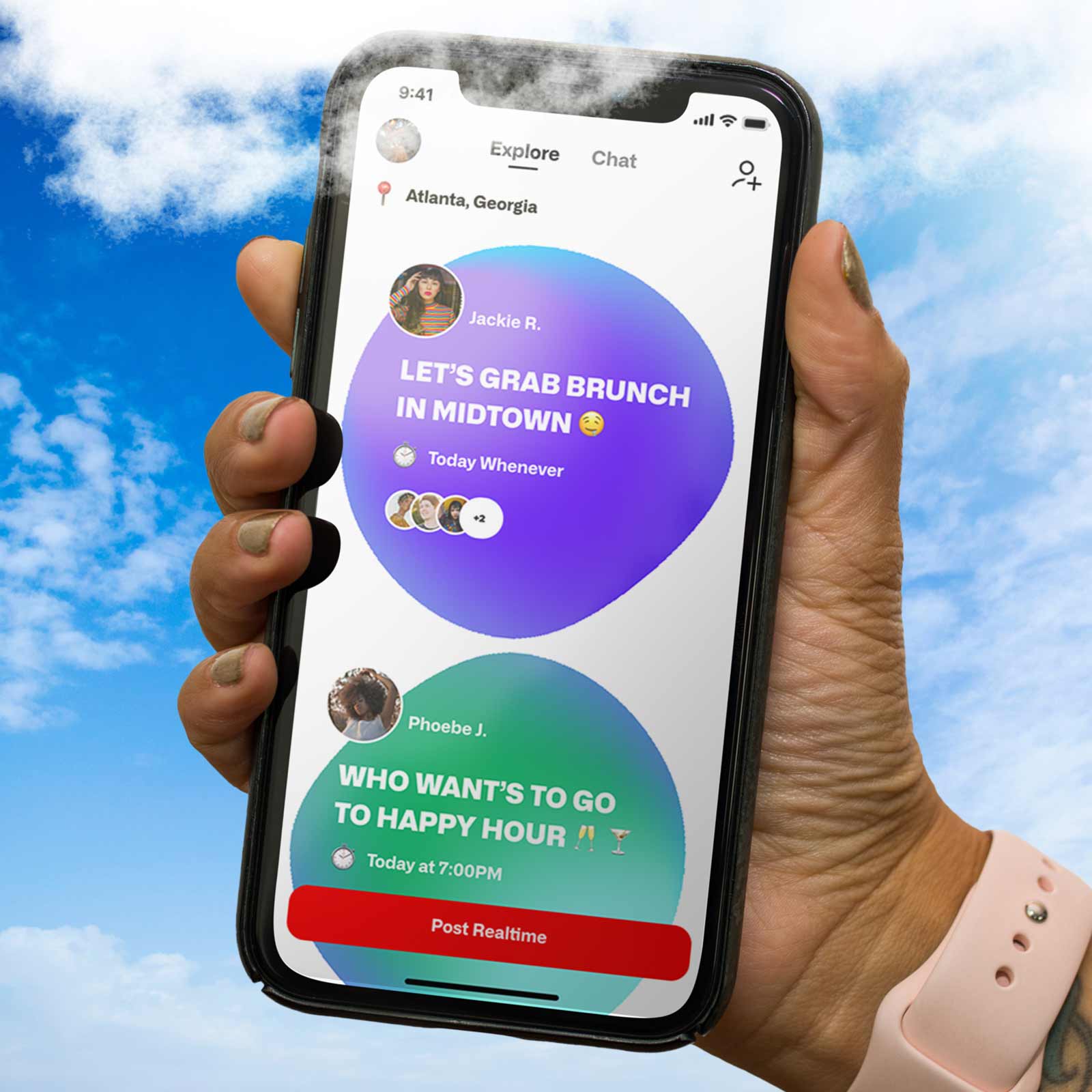
Form local communities around similar interests. Post, plan your meetup, and connect IRL.
Realtime allows people to rapidly find and meet local friends, combining real-time planning and interest-based matching in a single community-friendly platform.
By making social interactions instant and accessible, Realtime is restoring the true social aspect of social media, empowering people to turn digital connections into real-life experiences.
CASELET
Realtime was invested in by Sam Altman (OpenAI CEO), Alexis Ohanian (Reddit Founder), Kevin Lin (Twitch Founder), Kun Gao (Crunchyroll Founder), and several others.
PIVOT TIMELINE
2021 — FOCUS ON REMOTE
The initial app iteration was geared towards video chats around shared interests and interest-based communities. There was originally a large spike in usage, which spurred investment interest, though monthly active engagement rapidly dropped once lockdowns eased up.
2022 — FOCUS ON IRL
Post-lockdown, we shifted our focus to supporting people who were trying to rebuild in-person connections. This pivot led to the development of features that facilitated spontaneous, local meet-ups and encouraging real-life engagements and community building.
STRATEGIC INSIGHTS
The pivot from remote to in-person connections was driven by a post-lockdown behavioral shift where people sought meaningful real-life interactions over virtual alternatives.
I identified this trend through a combination of community feedback and declining monthly active engagement metrics from the initial iteration. Recognizing the opportunity, I prioritized features that supported real-time planning and interest-based matching to encourage organic community-building.
This strategy was validated through rapid adoption and positive reviews highlighting the platform's ability to restore social connections.
Post-lockdown, people struggled to rebuild in-person connections, impacting how communities interact and engage.
If a platform enables quick connections with nearby people who share interests, social engagement will increase through higher connection rates, repeat interactions, and event attendance.
Build a platform that converts digital interactions around similar interests into real-life experiences.
THE REAL PROBLEM
DON'T OVERTHINK RESEARCH
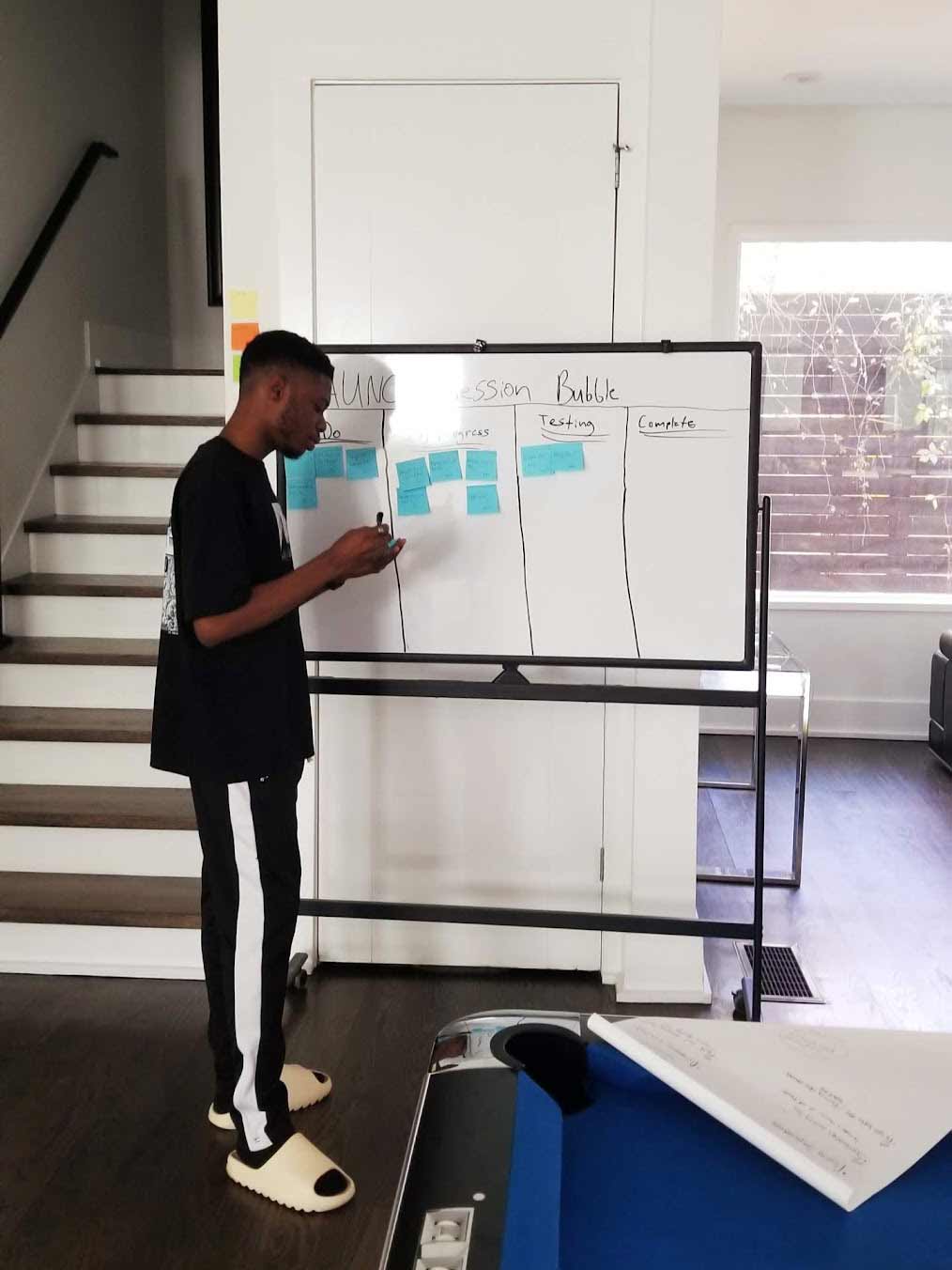
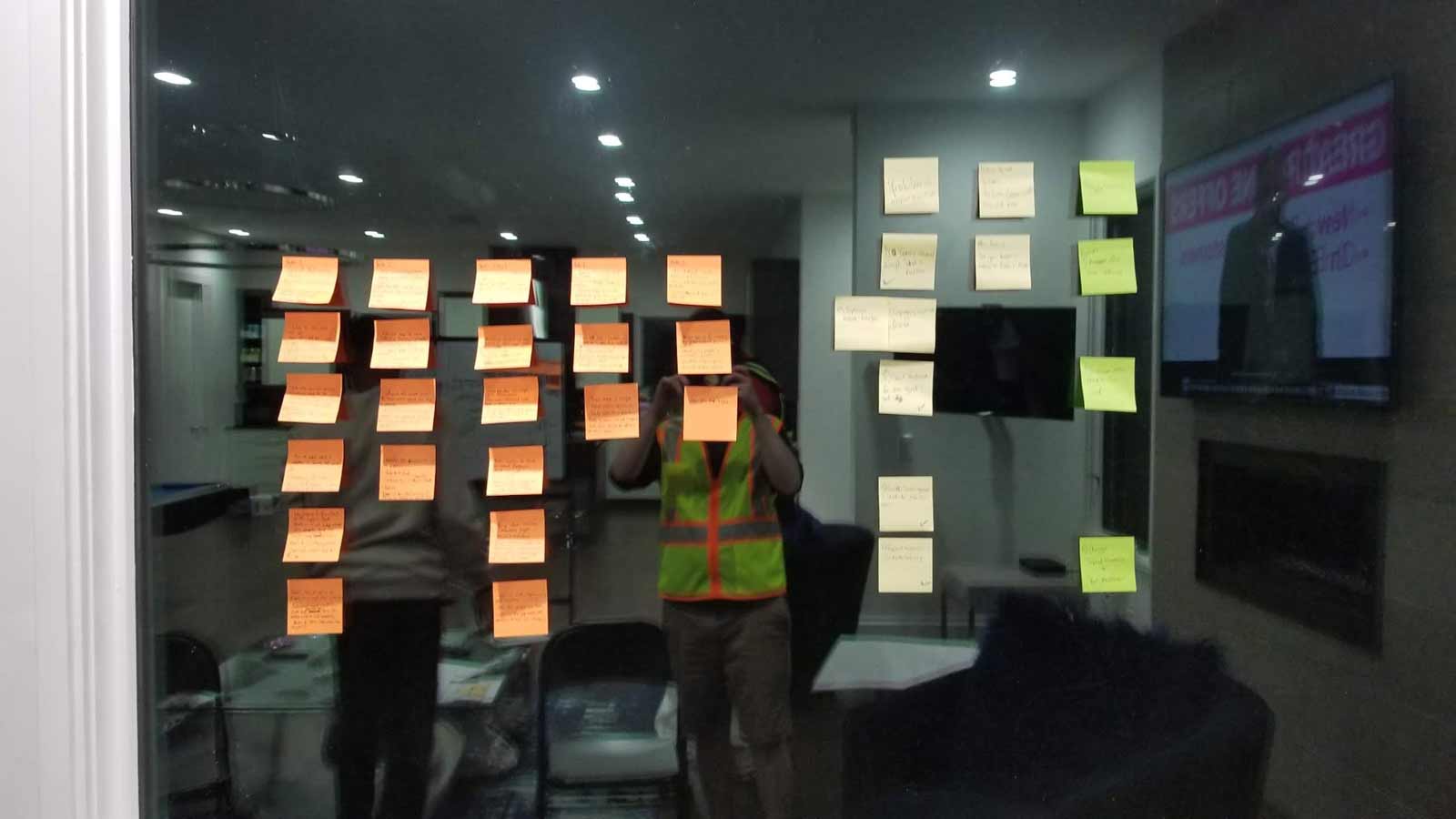
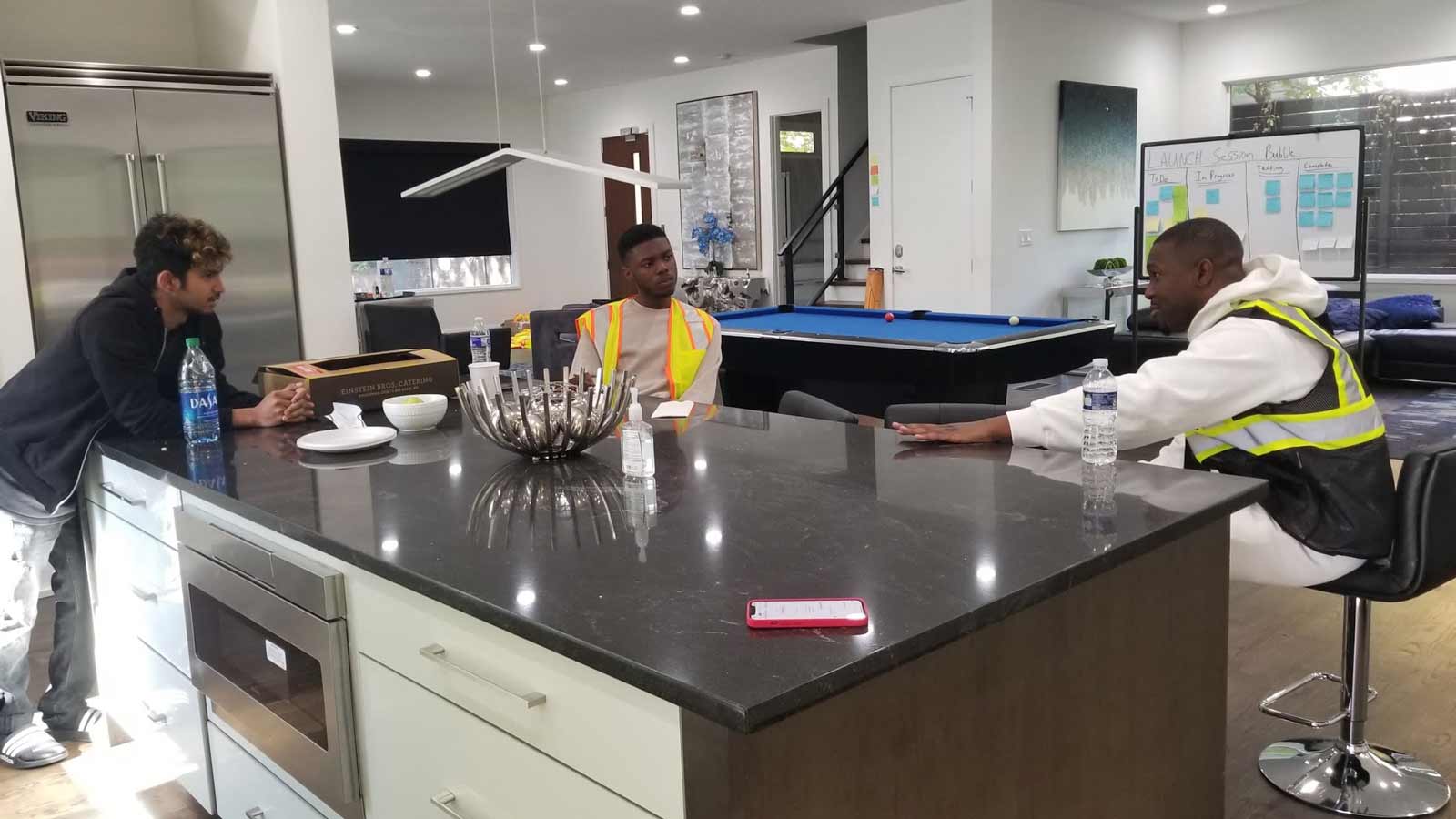
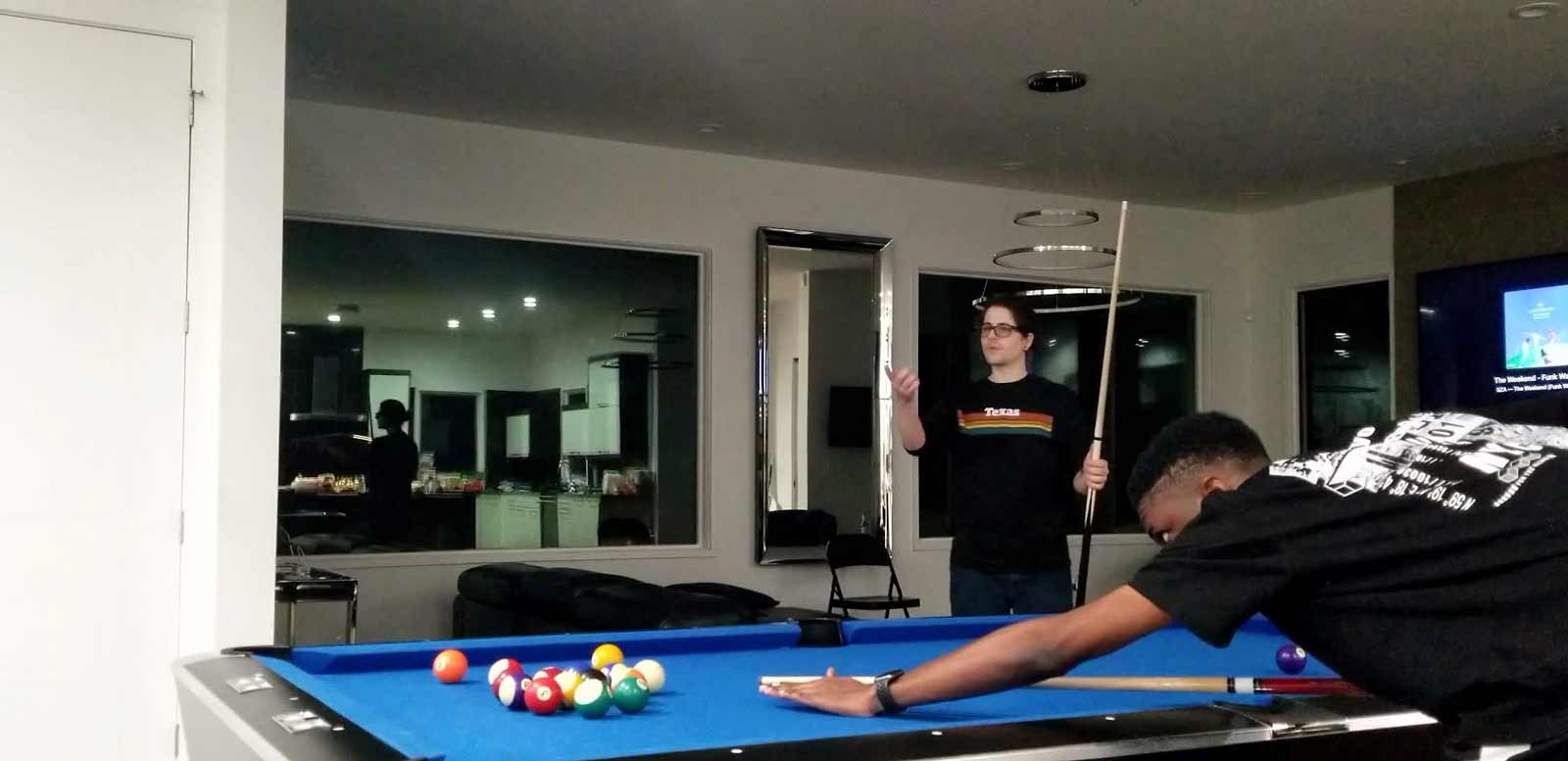
We needed a bunch of college students to test the newest iteration of Realtime, so we bought beer and pizza and... hosted a bunch of college students!
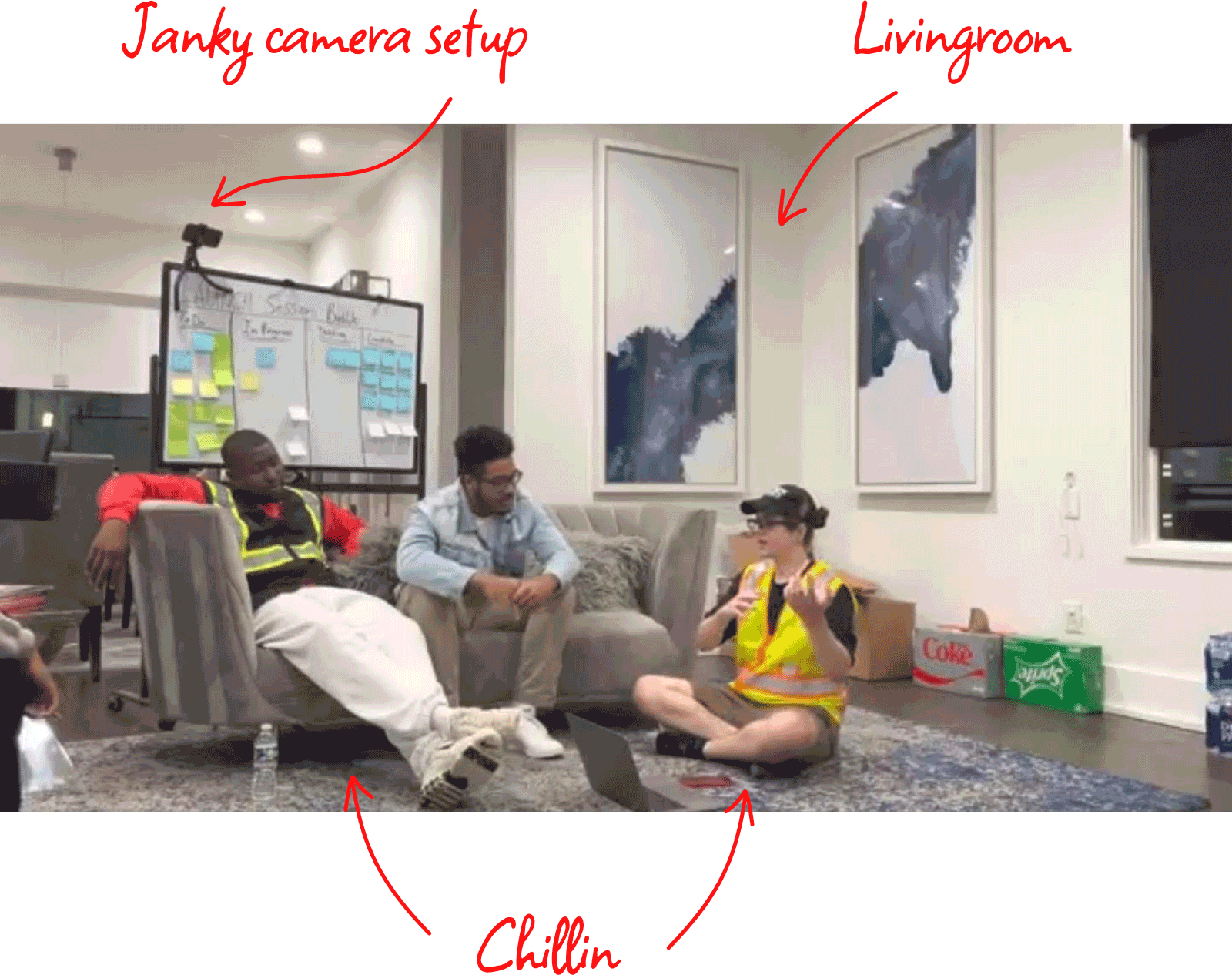
REAL ENVIRONMENTS = REAL RESULTS
People are most honest when relaxed and free from power dynamics. Skip the fluorescent lights and conference tables. Meet people in the environment where they'll use your product.
HUMANITY IN DESIGN
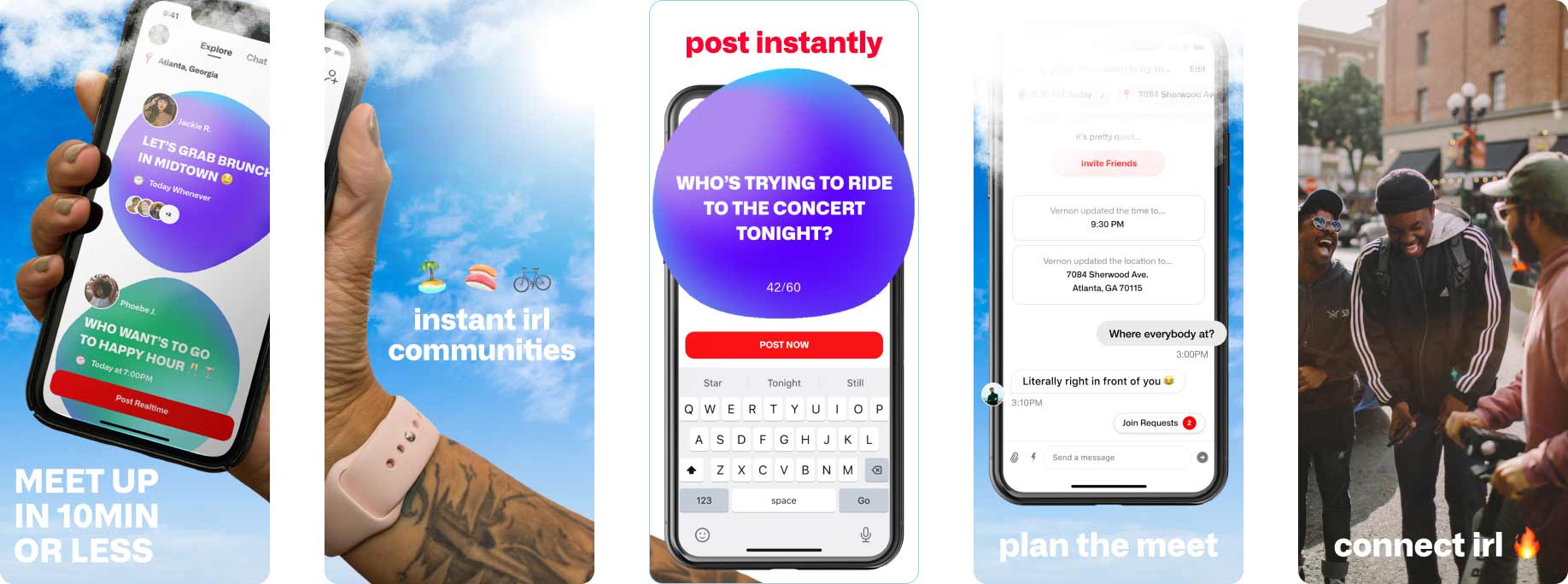
The design was a huge hit because it was simple, unique, and relatable. In today's climate of sterile interfaces, Realtime stood out with its genuinely human touch.
DEMAND GENERATION
To access the app during its initial launch, people were required to share it with three friends — a bold strategy that risked turning people away due to the added hurdle. However, this exclusivity created intrigue and a sense of privilege that resonated deeply with college students.
The approach not only amplified word-of-mouth marketing but also fostered a community of highly engaged early adopters, resulting in 5,000 downloads in Atlanta within the first two weeks, and effectively cutting down our acquisition costs to 30% of what it was prior to implementing this strategy.
Each new person effectively became a multiplier, driving additional sign-ups through organic sharing and creating a self-sustaining growth loop.
POST-LAUNCH REVIEWS
I've tried a bunch of community apps before, but this one really stands out. Focusing on irl stuff now is a smart move. it feels like people actually WANT to meet up. I've already gone to two meetups and they were great. I wish the search had more filters it took me a bit to find what I was looking for. Still, really solid app.
It's actually pretty decent. I liked how easy it was to match with ppl into the same hobbies, I met some folks for a board game night, which was fun.
I was kinda annoyed when they switched from the video chats to in person stuff. I used it a lot during lockdown to stay connected, and when they changed it, I didn't think it'd work for me anymore. But honestly, meeting people in person has been so helpful after everything w covid. It's hard to put yourself out there again, but I've met a few people who've made it worth it. I'm glad I gave it another shot. it's not perfect, but it's helping me reconnect.
WHY REALTIME FAILED
Despite its initial promise and a successful early pivot, RealTime struggled to sustain momentum due to critical missteps in execution and focus.
While the shift to in-person meetups was well-received, the pivot was implemented without continual revalidation, leaving the platform vulnerable to competition. The lack of monetization made the company reliant on investor funding, which dwindled as retention numbers remained low and the product lacked a unique value proposition.
Mismanagement of resources further exacerbated the situation, with funds spent on extravagant initiatives that yielded little return. Before my departure, the founder's growing fixation on trends like blockchain and NFTs diverted attention from refining the core offering.
Post-departure, RealTime underwent several unfocused transformations, eventually evolving into a series of unrelated apps, none of which successfully addressed the original market need.
THIS RESULTED IN:
RETROSPECTIVE
WHAT I LEARNED
The failure of RealTime highlighted critical lessons about focus, validation, and disciplined execution:
HOW I WOULD APPROACH IT DIFFERENTLY
If faced with similar challenges in the future, I would adopt a more structured and disciplined approach:
These lessons have shaped my approach to product leadership, emphasizing focus, validation, and sustainability as the cornerstones of long-term success.