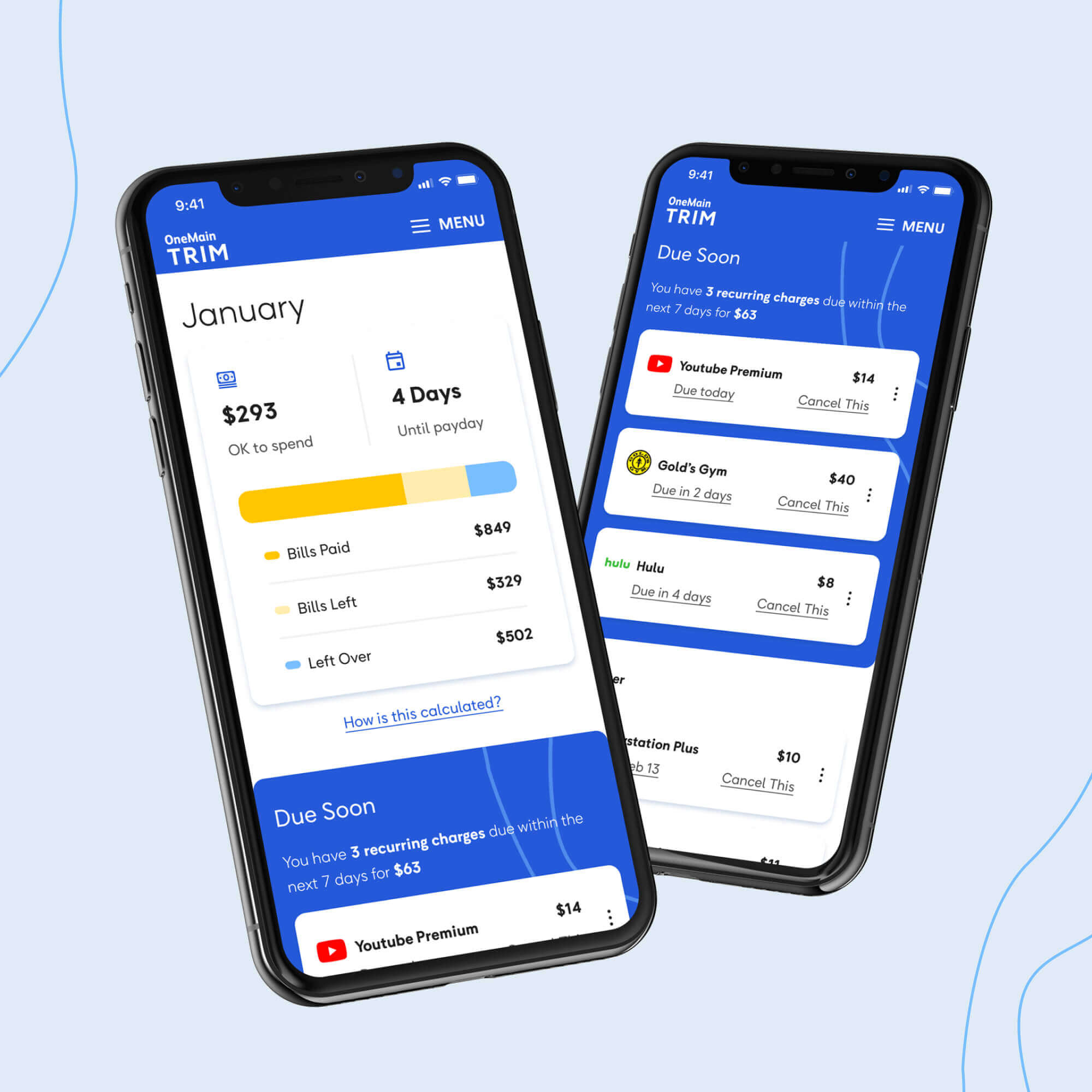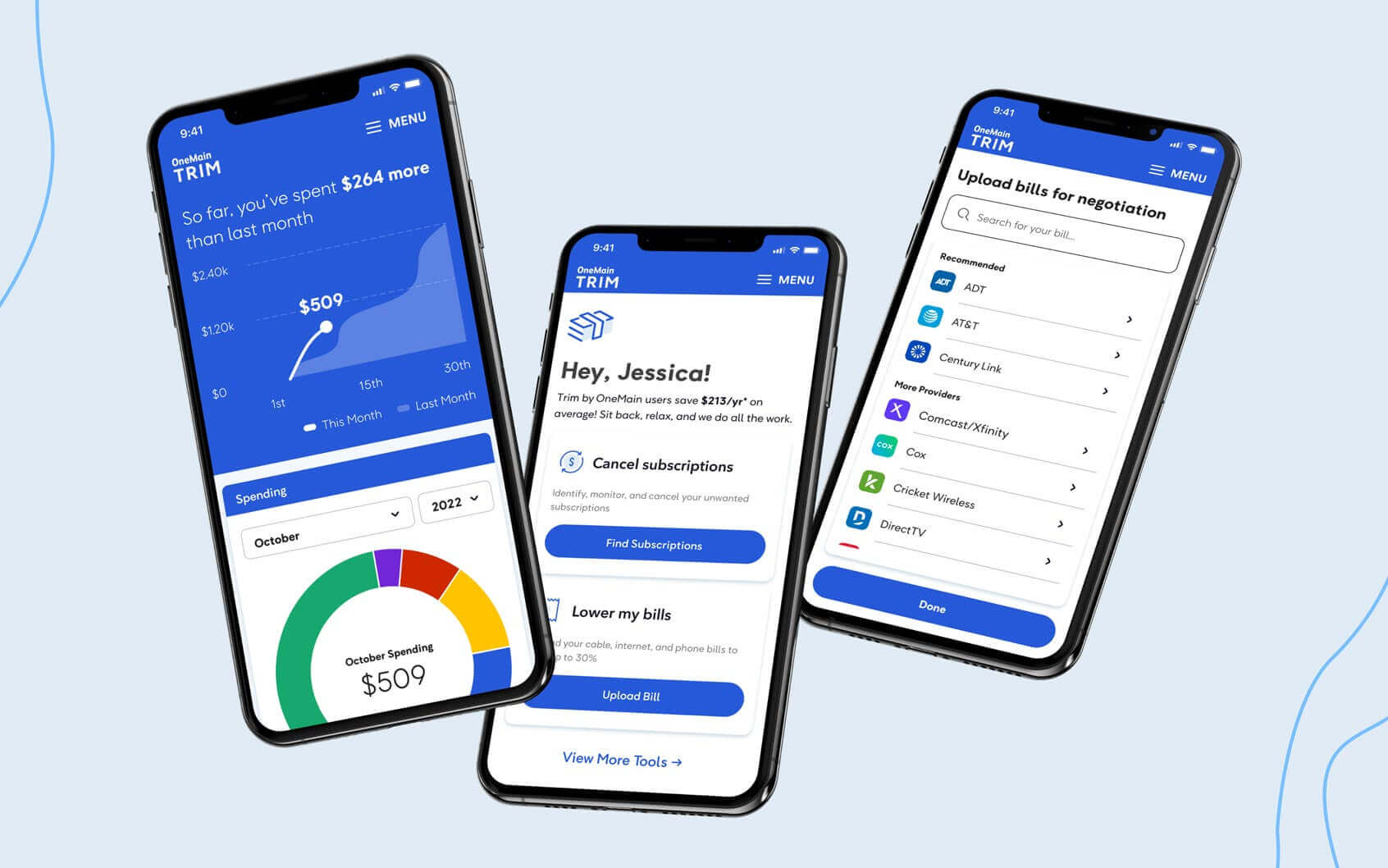
OneMain Financial acquired fintech startup Trim, to tackle prevalent financial management challenges among its loan customers.
This strategic integration aids in merging a century-old financial institution with innovative technology, offering tailored solutions to a diverse customer base.
By addressing the risk of customer defaults, OneMain is safeguarding its operations while improving credit outcomes for its customers, ultimately reducing company liability and increasing financial stability.
VERIFIED SOURCES

Spencer's approach to lean product design and a culture of experimentation is spot on as he's rallied teams to really think first about understanding customers, their needs and goals, and defining the problem before simply rushing to a solution.
His ability to dig up and analyze quant data and analytics to uncover optimization opportunities has proven itself out, resulting in design work that has increased Trim feature usage and monthly active users — both key Trim metrics.

Spencer exhibits incredible humility and collaboration which makes everyone feel comfortable working with him. He also shows a solid and very respectful backbone to stand up for his decisions and explain his rationale for design choices. The whole team respects his expertise and his ability to articulate the whys of designs.
Spencer is hungry for data to inform decision making. He took a deep dive into funnel data around Trim's onboarding and identified key moments that contributed to steep drop off. He has consistently advocated for understanding the customer pain around those funnel steps, and created designs to support improved user experience.
Spencer's efforts have led to a 72% increase in subscription feature requests and 13% increase in overall feature use (all during his first year).

I have really appreciated Spencer's patience and gained a lot of value from our collaborations. He is consistently thinking about the customer and their experience. I appreciate him working between the OneMain Financial and Trim teams and having that perspective to share with us who don't work as closely with OneMain Financial.
REDEFINING PRODUCT DEVELOPMENT
Before I joined, product development was predominantly developer-driven and fragmented, leading to solutions without thoroughly validating the problems.
I introduced a more holistic, customer-centric, and collaborative approach, which extended discovery but streamlined development, reduced technical issues, and boosted team morale.
Our revamped process emphasized—
 d888
d8888
  888
  888
  888
  888
  888   d8b
8888888 Y8P
Problem Discovery & Validation
Before diving into potential solutions, the problem was thoroughly understood and validated through data.
 .d8888b.
d88P  Y88b
       888
     .d88P
 .od888P"
d88P"
888"       d8b
888888888  Y8P
Research-Driven Decisions
UserTesting, UsabilityHub, FullStory, industry reports, competitor analysis, and internal research guided our decisions.
 .d8888b.
d88P  Y88b
     .d88P
    8888"
     "Y8b.
888    888
Y88b  d88P d8b
 "Y8888P"  Y8P
Solution Discovery & Validation
Insights were turned into design decisions via Figma and Miro, validated through testing, reviews, and stakeholder feedback.
    d8888
   d8P888
  d8P 888
 d8P  888
d88   888
8888888888
      888  d8b
      888  Y8P
Iterative Development
Feedback wasn't just collected; it was acted on. Solutions were refined and re-validated, ensuring they resonated with customers.
DISCOVERY SESSIONS
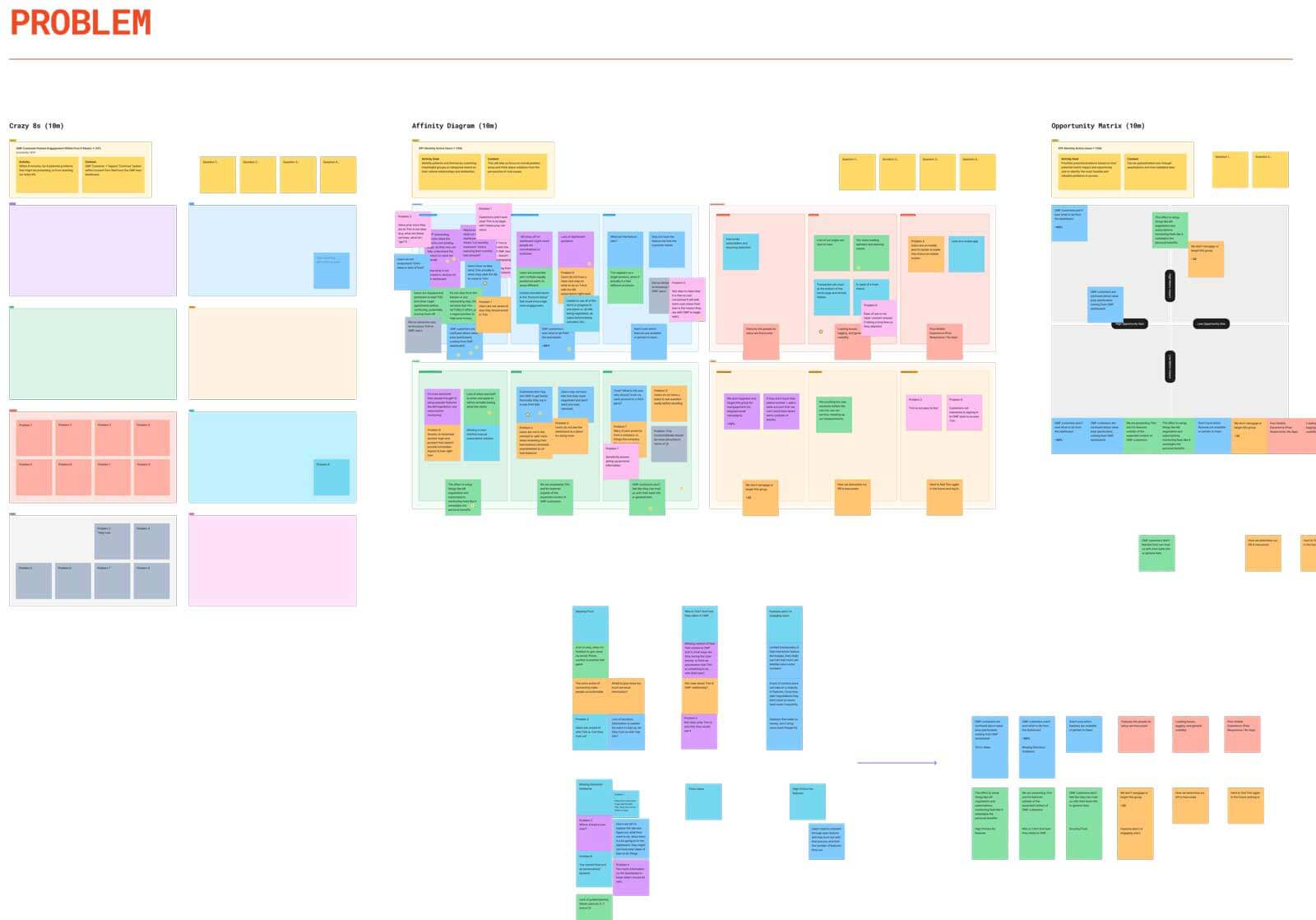
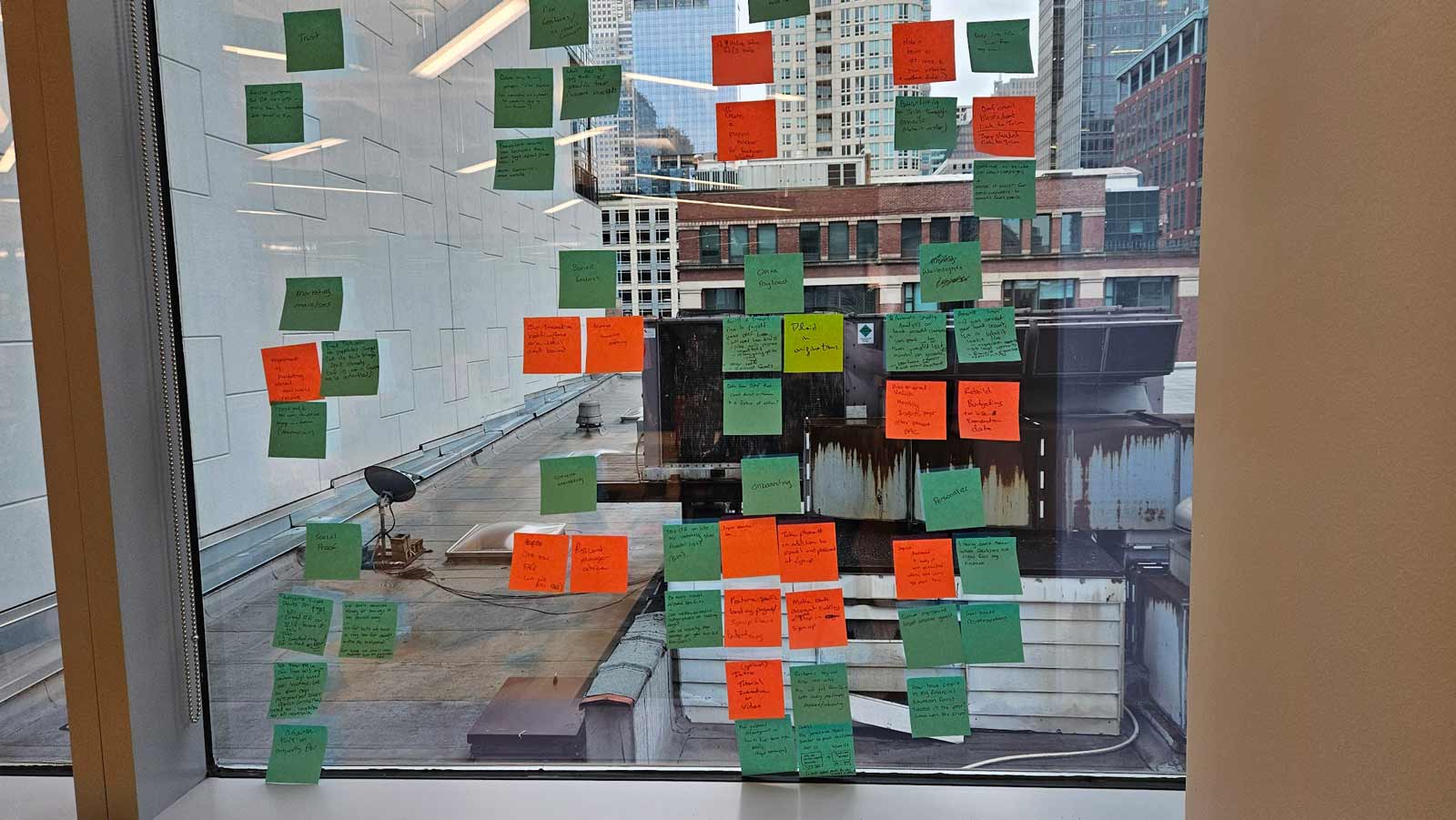
I led a structured brainstorming framework with activities such as crazy eights and affinity mapping, which were key to aligning on problems and solutions. This framework encouraged diverse perspectives, rapid ideation, and constructive collaboration, leading to confidently informed product decisions.
Additionally, by creating an inclusive and relaxed environment, we made sure that every team member felt heard and valued. This approach not only improved the quality of our solutions but also created a sense of ownership and enthusiasm within the team.
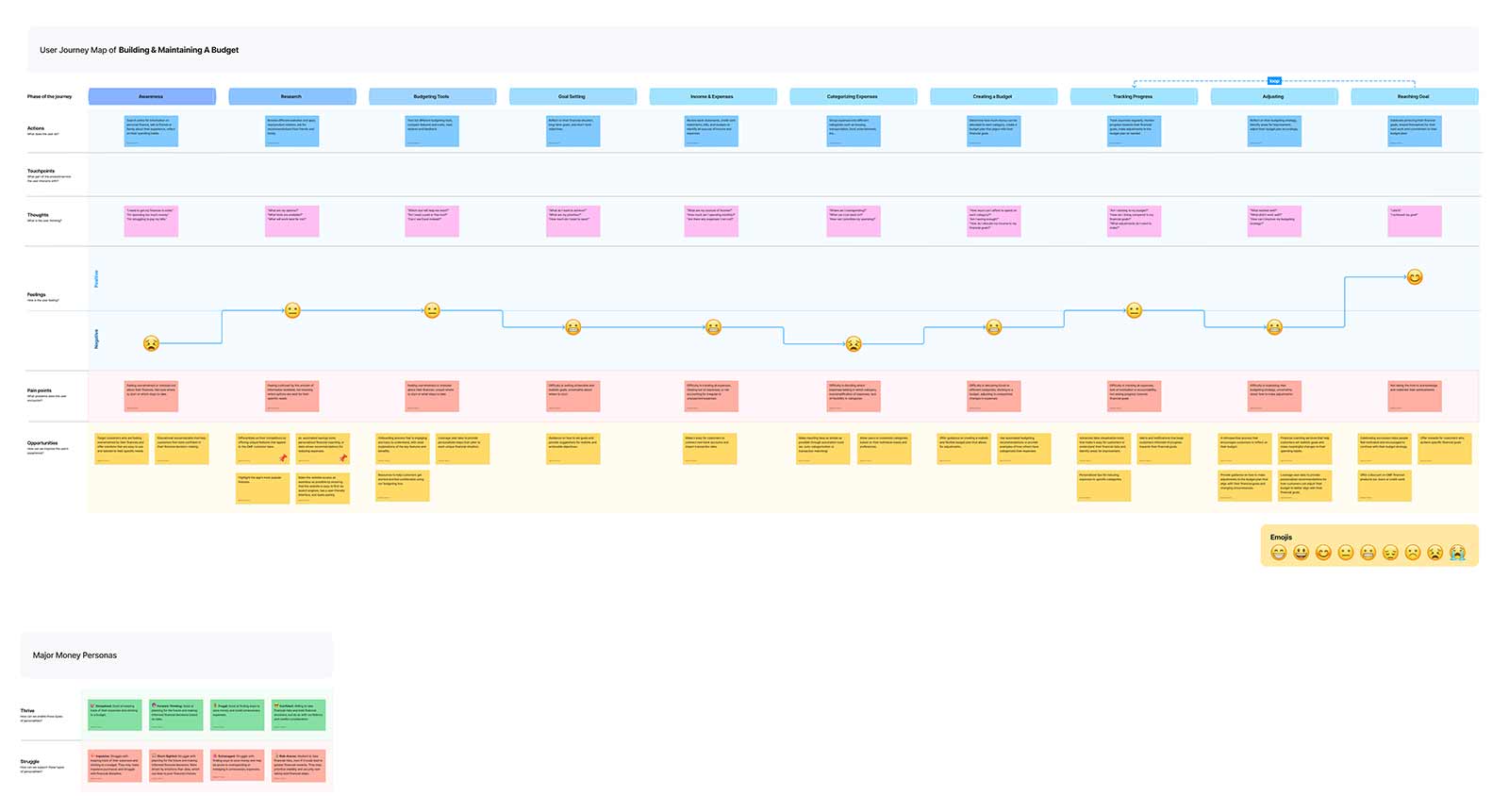
PROBLEM DISCOVERY
Setting Clear Objectives
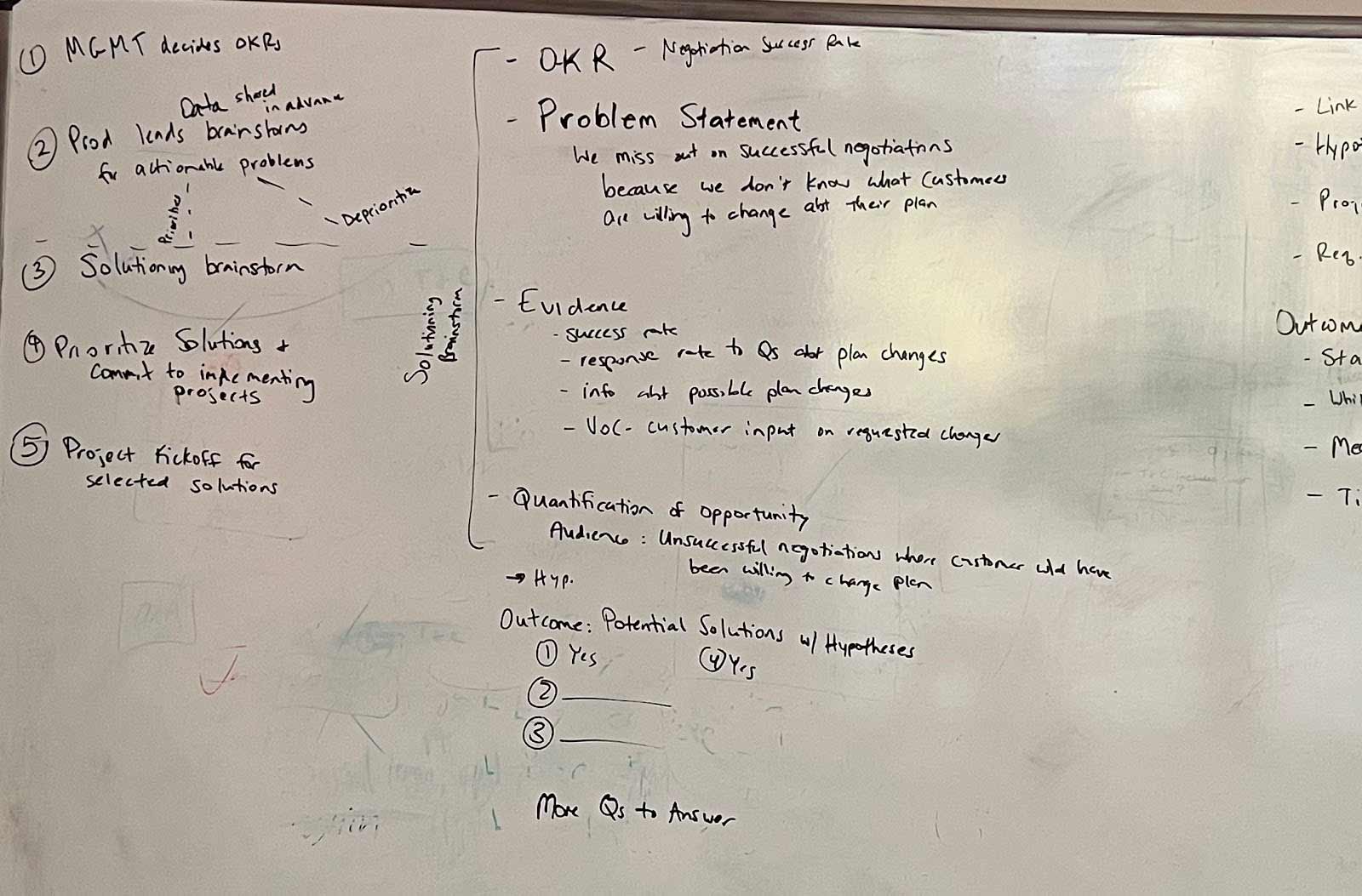
Leadership shares data and OKRs ahead of time so the team can focus on what to solve, not why it matters.
Crazy 8's
Everyone independently lists 8 potential problems in 8 minutes. Working solo first means no groupthink, and sharing after means more diverse ideas.
Affinity Diagram
The team groups problems into themes, discusses them together, and identifies the core problem areas worth exploring.
Opportunity Matrix
We prioritize problems by estimated metric impact and opportunity size. These are assumptions to validate later with real data.
Data-Driven Validation
Top problems are checked against actual metrics, customer feedback, and behavioral patterns to make sure we are solving something real and high-impact before moving into solutions.
SOLUTION DISCOVERY
Problem Statement
Before exploring solutions, the team revisits the problem statement and any evidence from discovery to stay grounded and focused.
Speed Dating
Groups of 2-3 brainstorm solutions in fast 3-minute rounds, then switch partners. Speed and rotation keeps ideas flowing and perspectives fresh.
Feasibility Matrix
Solutions are evaluated on feasibility vs. impact, helping the team focus on what's both practical and valuable.
Critique
Top solutions are pressure-tested for flaws, risks, and weaknesses so they are stronger before moving forward.
Spike
For high-impact solutions with technical unknowns, the team runs small experiments to test feasibility before committing to full validation.
DISCOVERY SIMULATOR
Setting Clear Objectives
Leadership shares data and OKRs ahead of time so the team can focus on what to solve, not why it matters.
FOSTERING COLLABORATION
In the early stages of our collaboration with OneMain’s marketing and branding teams, there was a distinct "client/provider" dynamic. Teams operated in silos, often leading to outcomes that felt more like surprises than collaborative achievements.
Recognizing the inefficiencies, I led a shift towards more asynchronous communication and co-creation. This not only minimized unforeseen results but also fostered a culture grounded in trust, mutual respect, and shared objectives.
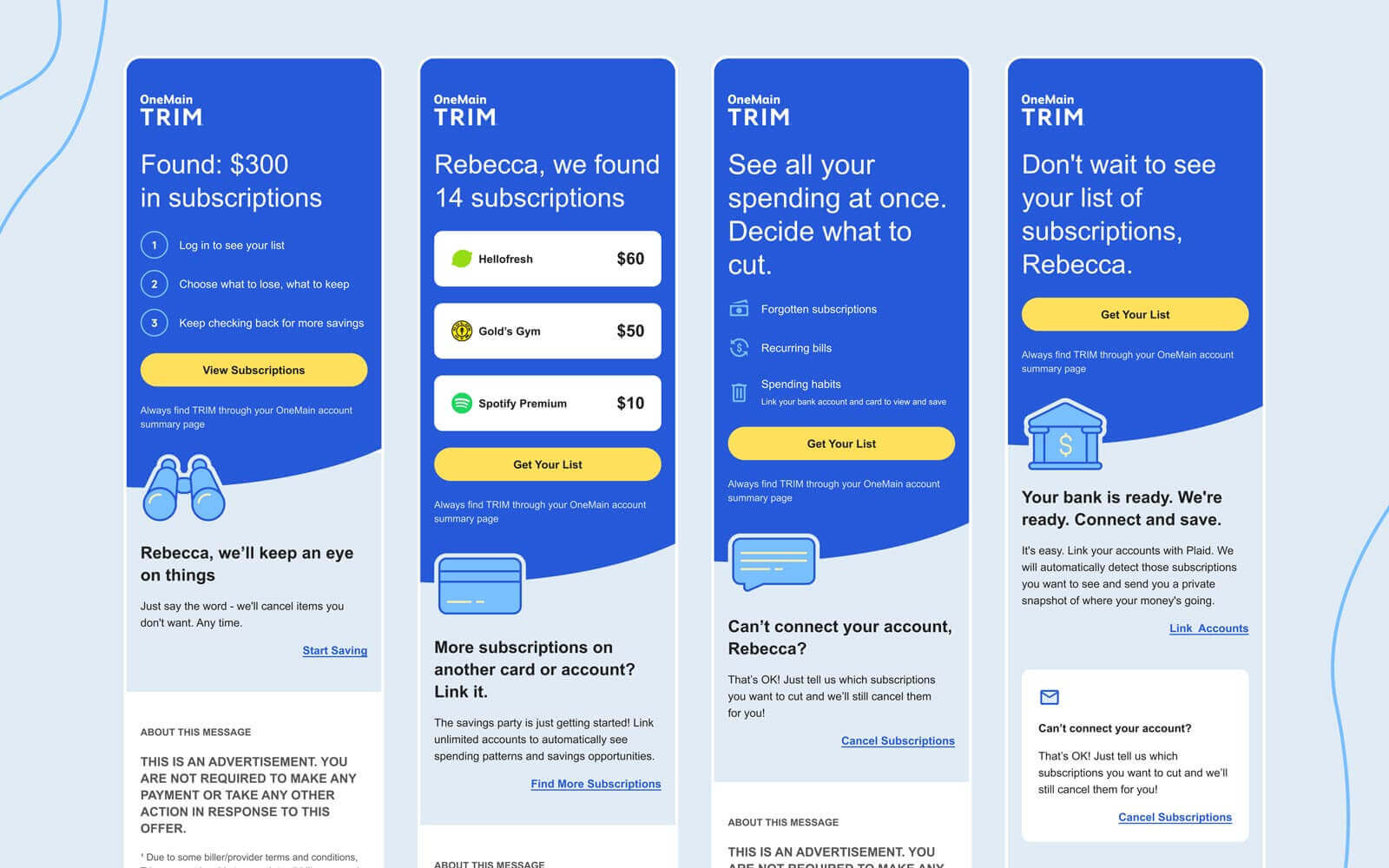
Email collaboration with marketing and copywriting teams
QUARTERLY TEAM ALIGNMENT
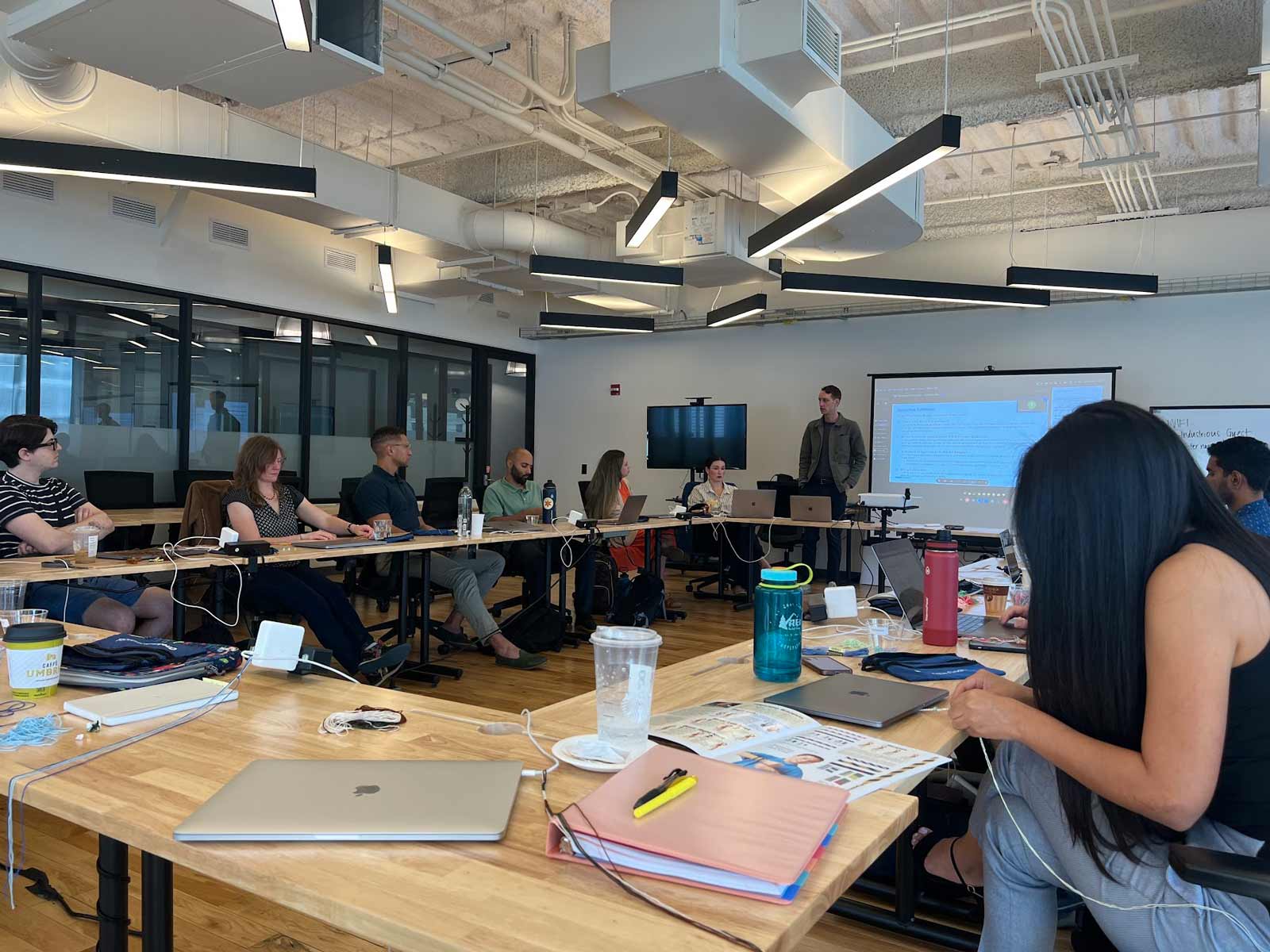
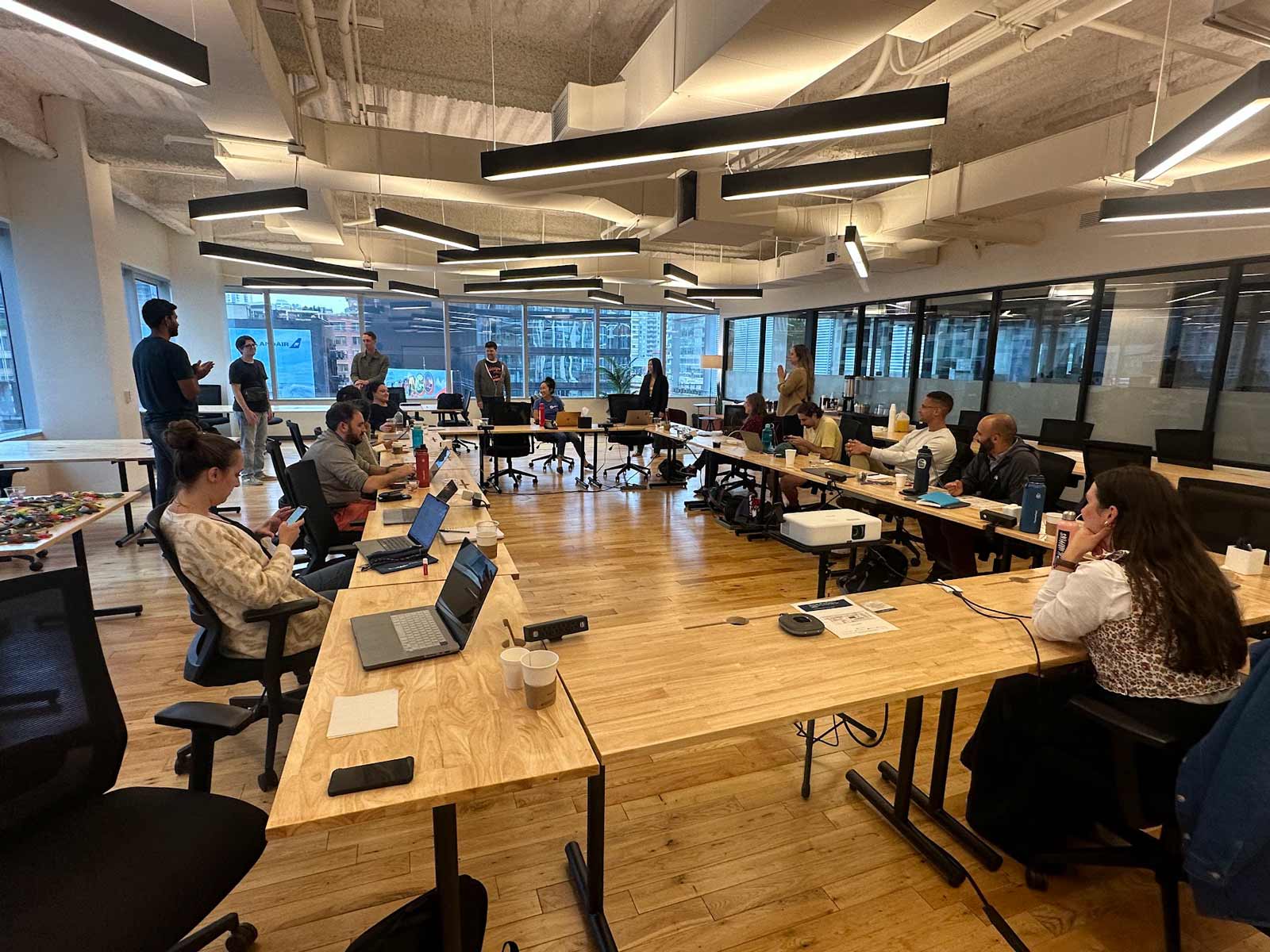
To make sure that our remote team remained aligned and personally connected, we organized quarterly in-person work sessions. These meetups created a deeper understanding of our shared goals, built trust between team members, and encouraged creative problem-solving in a collaborative environment.
These sessions included hands-on workshops, strategic planning, and brainstorming activities that directly influenced our product roadmap. The in-person dynamic allowed for a level of collaboration and personal connection that’s hard to replicate remotely.

OPTIMIZING ONBOARDING
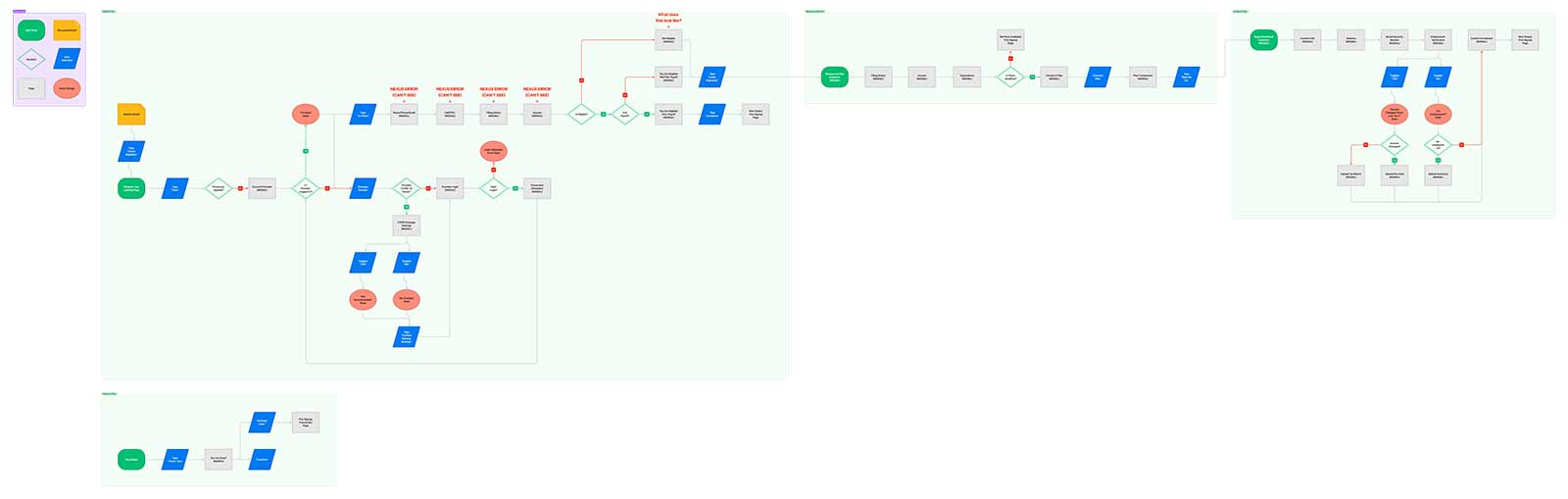
Our initial onboarding flow had a significant drop-off, primarily when people were prompted to link their bank accounts without clear context. Iterative testing led to an interactive process, helping people choose features aligning with their goals, which doubled our onboarding conversion rate.
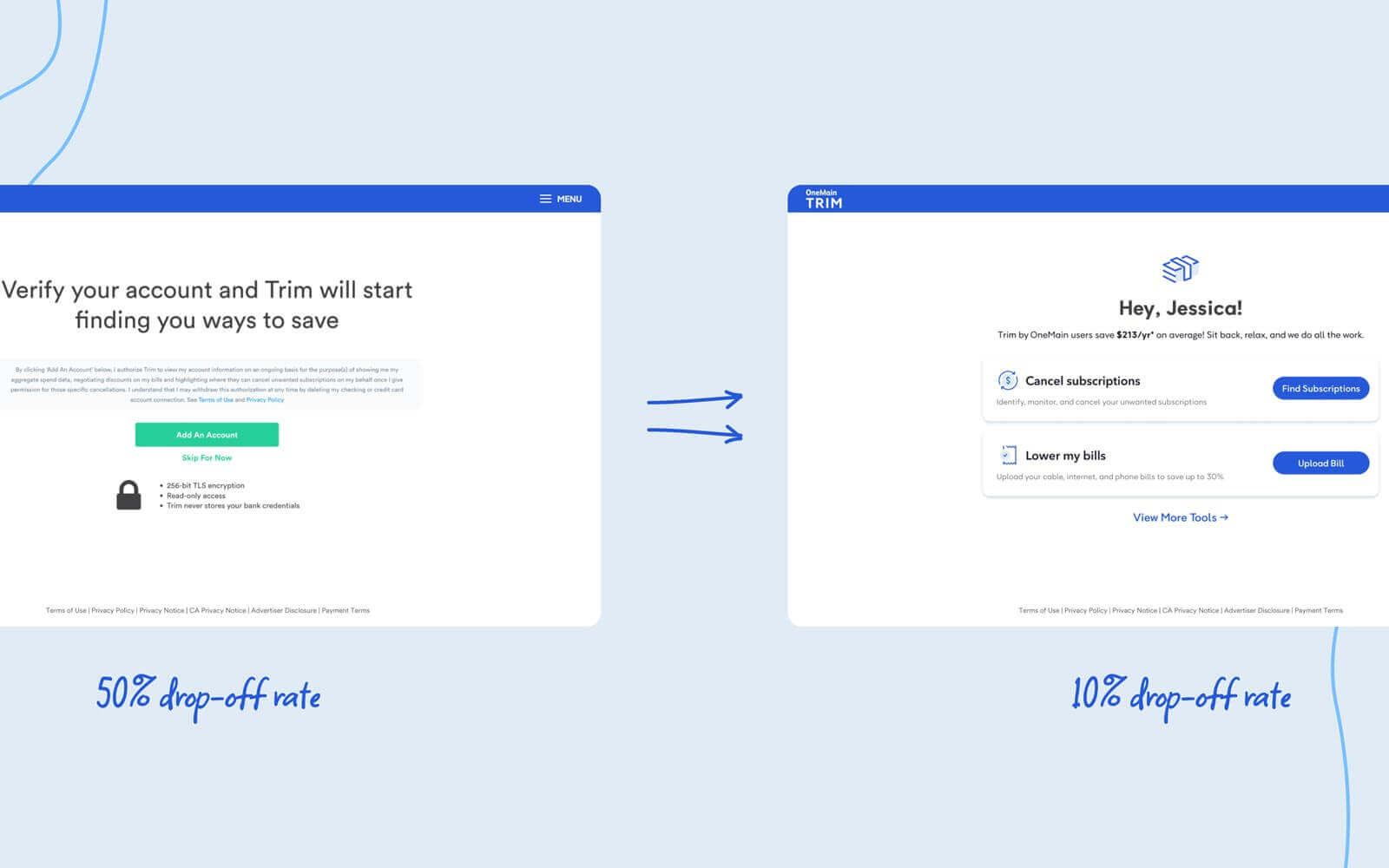
Onboarding updates doubled the amount of conversions
BRAND INTEGRATION
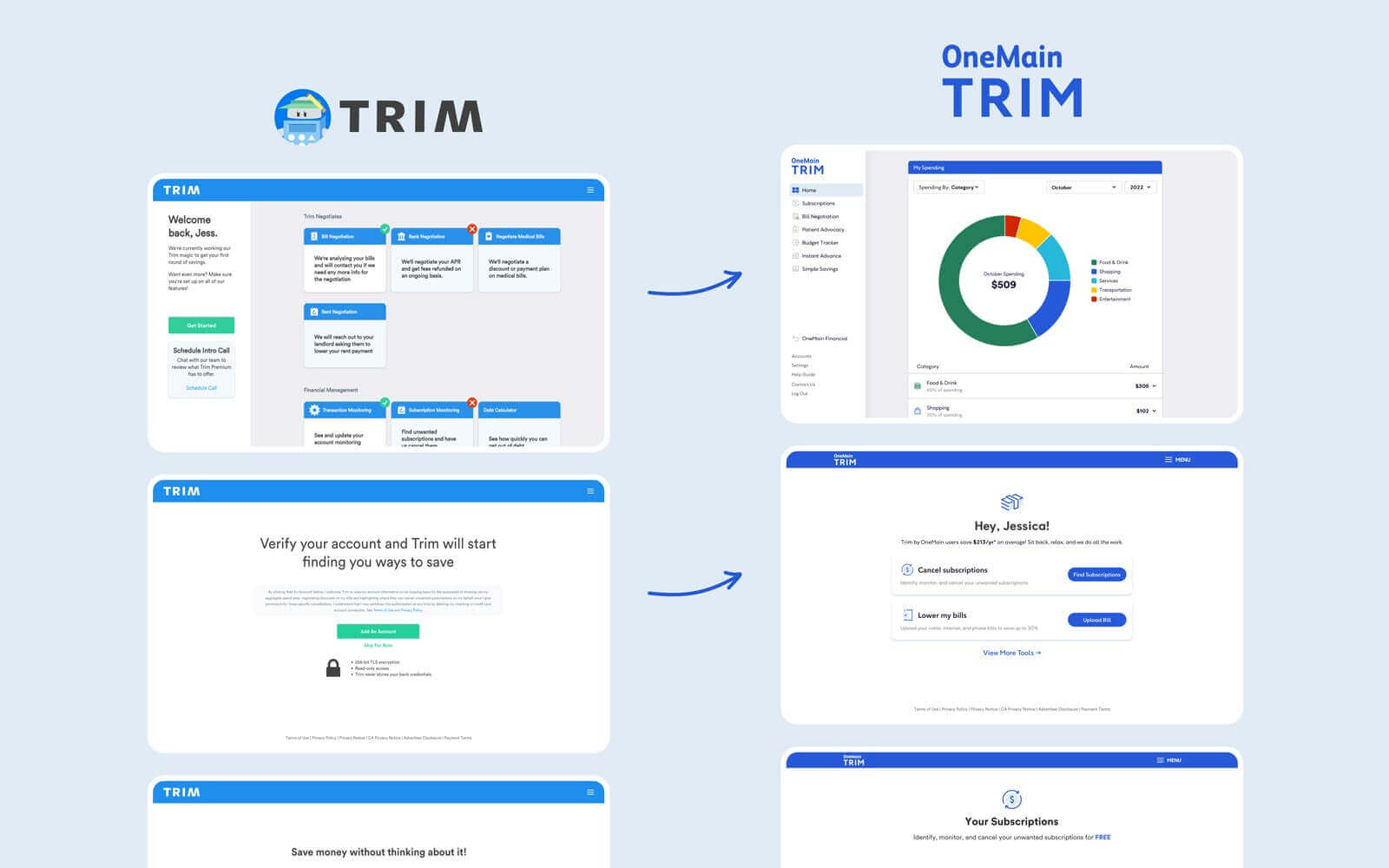
A significant milestone was advising on and implementing a unified front-end component library, streamlining design workflows and ensuring consistent customer experience across platforms.
I collaborated with OneMain Financial's accessibility team to refine and update our design system, making sure that it met the high standards of accessibility and experience required in finance.
FRONT-END OPTIMIZATION
I led a strategic shift from a custom component library to leveraging the capabilities of Ionic, quickly modifying prebuilt components instead of building from scratch. This sped up development and allowed us to focus more on customer-centric updates.
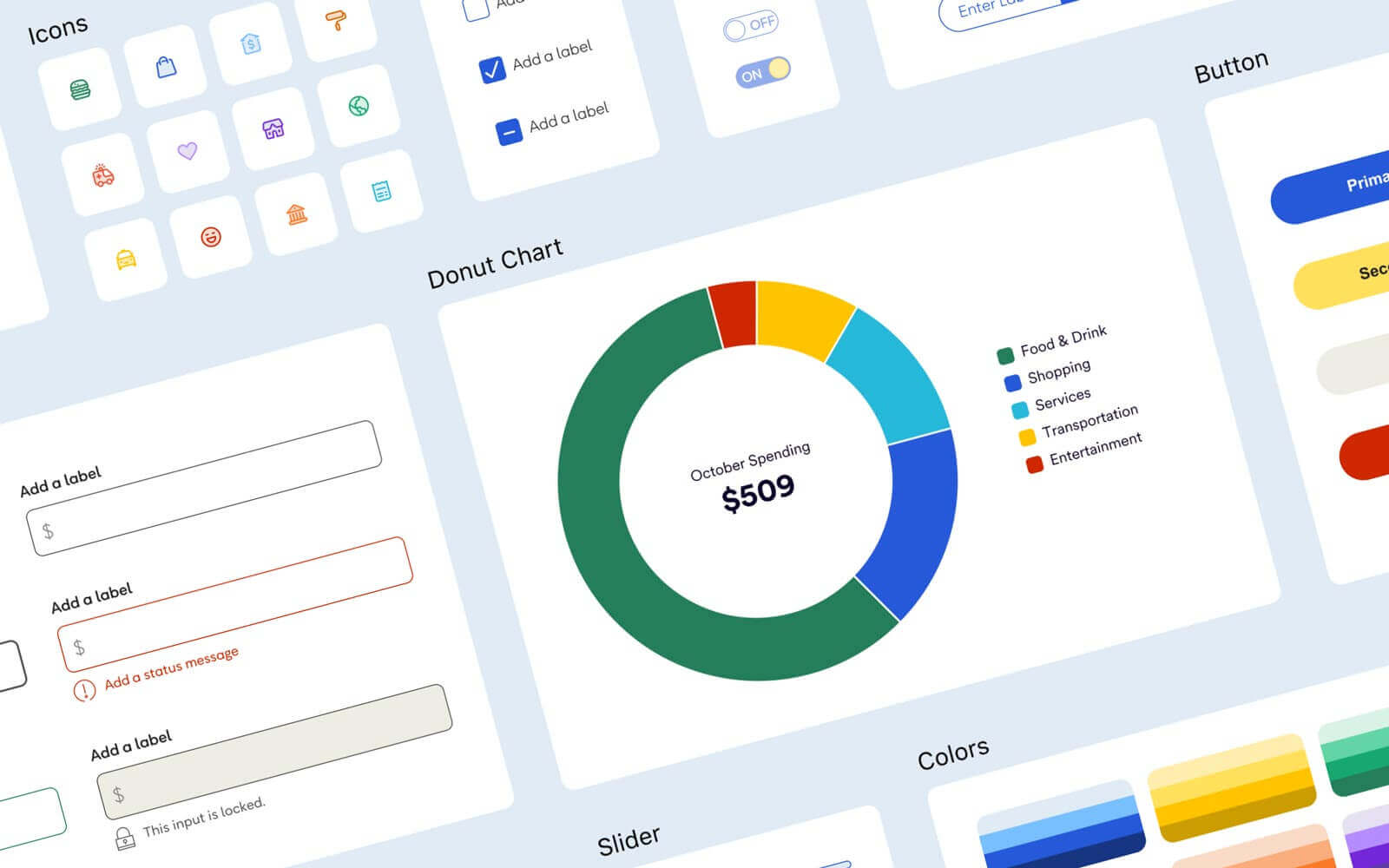
Trim by OneMain design system
MOBILE-FIRST APPROACH
Soon after starting, I began to prioritize the mobile experience, given this audience accounted for over 80% of our customers.
This decision was particularly important given that our email campaigns, a significant touchpoint for customer engagement, were mostly accessed via mobile devices.
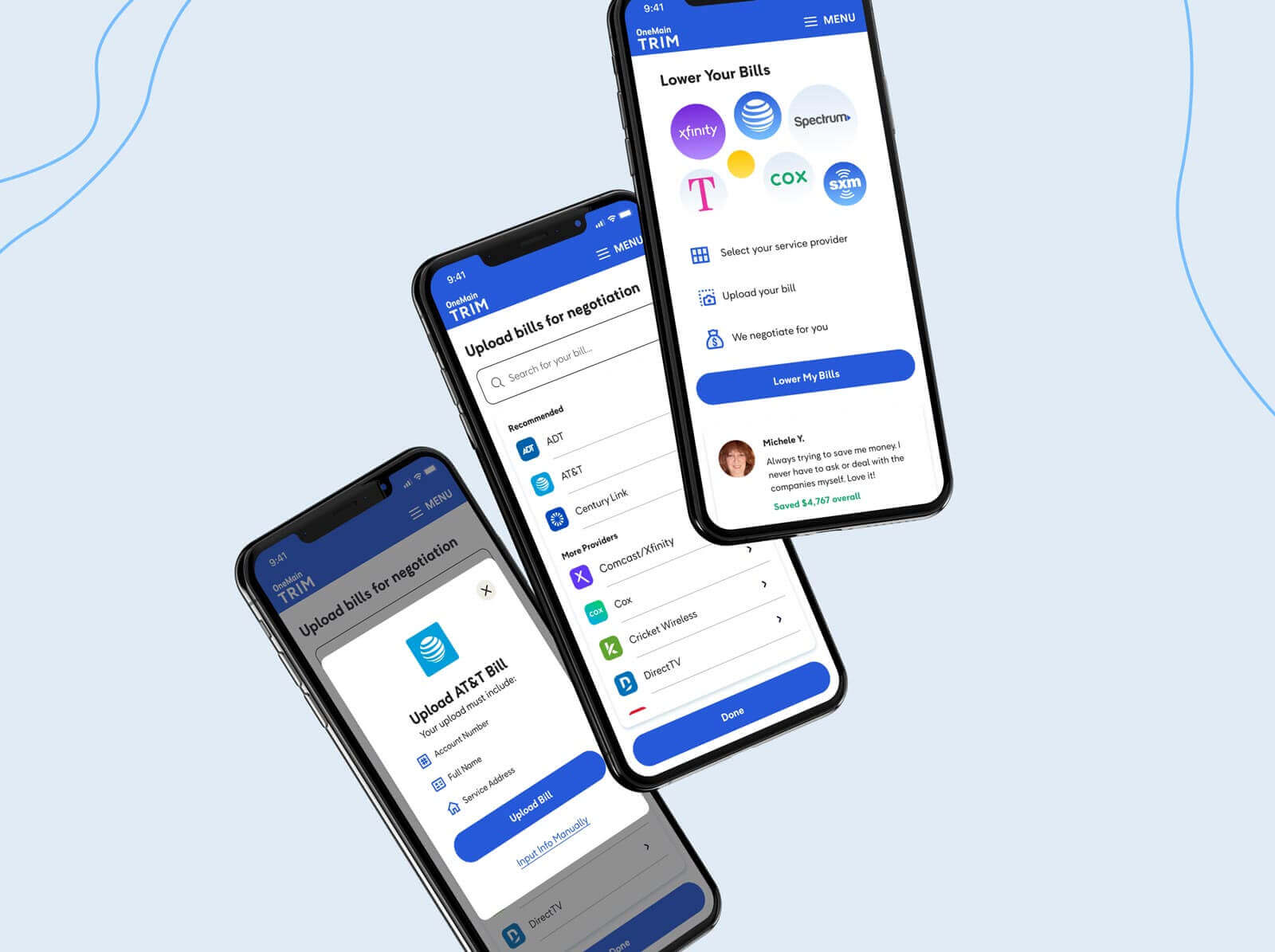
Updated mobile-first bill negotiation flow
BILL NEGOTIATION
One of the most used features within Trim was our bill negotiation capability. However, this feature had not been iterated on for several years. To truly optimize this feature, I needed to understand the customer's journey, pain points, and expectations.
I used a multi-pronged research approach to discover and fully understand potential problems—
Usability Testing
Conducted sessions where customers interacted with bill negotiation in real-time, observing their interactions, frustrations, and feedback.
Surveys
Direct feedback from customers helped me gauge the effectiveness of our current process and identify areas of improvement.
FullStory Sessions
By watching customers navigate the bill negotiation process through FullStory, I could pinpoint exactly where people faced challenges or dropped off.
Customer Service
Our customer service team had extensive knowledge of common issues. Regular brainstorming sessions with them helped us identify recurring problems.
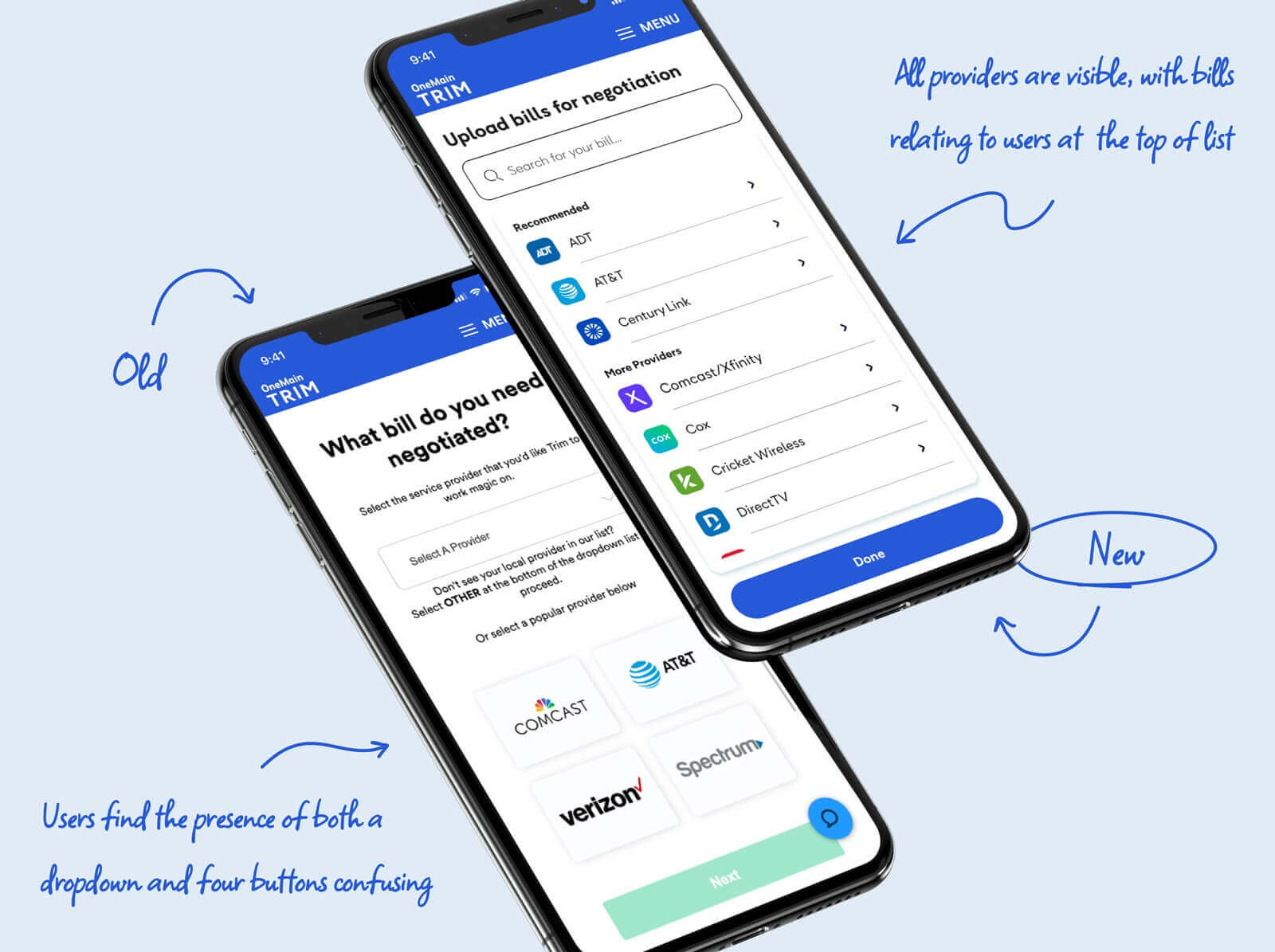
Updated bill negotiation provider selection screen
PERSONAL CASHFLOW
At the culmination of all our efforts and learnings, I realized that traditional zero-based budgeting tools would not address the fundamental needs of our audience. Most of our customers were in financial deficits, where budgeting not only failed them but exacerbated feelings of guilt and helplessness. Many of them couldn’t cut further expenses without compromising essentials like groceries and healthcare.
These insights challenged me to rethink how people could regain control of their finances without the shame or burden of sticking to unrealistic budgets. By pulling together every research method and framework we had previously used, I pushed for something radically different: the Personal Cashflow Tool.
HOW IT WORKS
The cashflow tool gives people an at-glance understanding of their financial situation, allowing them to make real-time decisions across multiple cards and banks without the emotional weight of traditional budgeting. Here’s how each section is intentionally designed:
WHY THIS MATTERS
This tool represents everything we set out to achieve. A financial wellness product that is human-centered, empowering, and guilt-free. It turns the overwhelming complexity of financial deficits into something simple and actionable. It provides clarity in the day-to-day and offers a path forward for people who often feel stuck.
For our customers, this is more than just a feature. It's a lifeline. It helps them regain control, make smarter choices, and feel confident about their finances without the emotional toll of traditional budgeting.